

Why Catching People Doing Things Right Improves Workplace Culture
What if the biggest thing shaping your workplace culture is not the mistakes you correct, but the good behaviour you never notice?
Most work environments are brilliantly designed to spot what goes wrong. Missed deadlines, mistakes, complaints and issues are all easy to see because they demand attention. What often goes unnoticed is the steady stream of good decisions, thoughtful behaviour and quiet consistency that actually keeps work moving.
Catching people doing things right sounds simple, almost obvious. Yet in practice, it is one of the most underused and powerful tools for shaping behaviour, culture and performance at work.
Why workplaces default to noticing what is wrong
Most organisations do not ignore good behaviour on purpose. It is a side effect of how work is designed.
Problems feel urgent. Errors interrupt progress. Issues create risk. Leaders and managers are trained to respond to what is broken, not to pause and reinforce what is already working well. Over time, this creates an environment where attention flows towards correction rather than reinforcement.
There is also a system effect at play. When the absence of problems is treated as neutral rather than positive, good behaviour becomes invisible. People only hear from managers when something needs fixing, which quietly teaches them that feedback equals trouble.
This default shapes behaviour far more than most leaders realise.
What “catching people doing things right” actually means
This idea is often misunderstood, so it is worth being clear.
Catching people doing things right is not about generic praise.
It is not about positivity for the sake of it.
It is not about celebrating only big wins or public success.
It is about noticing and reinforcing specific behaviours that reflect good judgement, values and standards.
That might be how someone handled a difficult conversation, made a thoughtful decision under pressure, supported a colleague, prevented a problem before it happened, or consistently showed up in the right way.
The key is specificity. When people understand exactly what they did right, they learn what good looks like.
Why this approach works so well
From a behavioural perspective, this approach is incredibly effective.
- Behaviour that gets noticed gets repeated.
- Behaviour that is ignored slowly disappears.
People learn faster through reinforcement than through correction alone. Recognition reduces defensiveness and fear, making people more open to feedback when it is needed. It also builds psychological safety, because employees feel seen for more than just their mistakes.
From a systems point of view, this matters because organisations get more of whatever they reinforce. If you consistently notice problem fixing, you get firefighting. If you consistently notice good judgement, you get better decisions.
What this looks like in everyday work
Catching people doing things right is not about grand gestures. It lives in small, frequent moments.
- A manager notices how someone handled a sensitive conversation calmly and respectfully, even though the outcome was difficult.
- A team leader highlights good decision making, not just successful results.
- A colleague thanks someone for preventing an issue before it escalated.
- A team calls out behaviours that reflect shared values, not just targets met.
- A leader recognises consistency, not just heroic effort.
These moments quietly teach the organisation what matters.
How this changes the work environment
When good behaviour is noticed and reinforced, the work environment begins to shift.
- People gain clarity on expectations because standards are demonstrated, not just described.
- Feedback feels less threatening because it is balanced and specific.
- Trust grows because people feel seen for their judgement, not just their output.
- Less micromanagement is needed because good behaviour is encouraged rather than enforced.
- Teams begin to self correct because they understand what right looks like.
The environment becomes more confident, more predictable and more aligned.
Designing systems that make good behaviour visible
If leaders want this approach to stick, it needs to be supported by systems, not left to memory.
Make recognition easy
If recognising good behaviour takes effort, it will not happen consistently. Reduce friction so it becomes natural and quick.
Link recognition to values
This turns values from abstract words into practical guidance. People learn how values show up in real situations.
Build it into existing routines
Team meetings, one to ones, onboarding and check ins all offer natural moments to reinforce good behaviour.
Encourage peer recognition
When recognition is not manager-only, culture scales. Teams reinforce standards together.
Look for patterns, not scores
The goal is not points or leaderboards. It is reinforcing behaviours that appear consistently over time.
Common mistakes to avoid
There are a few ways this idea can lose its impact.
- Being vague rather than specific.
- Only recognising outcomes instead of behaviours.
- Saving recognition for formal reviews.
- Making it feel transactional or forced.
- Overlooking quiet contributors who consistently do things right.
When recognition feels artificial, people stop trusting it.
The role of HR systems in reinforcing good behaviour
HR systems play a powerful role here because they shape what is easy to notice.
The right systems make it simple to surface positive behaviour, link recognition to values, and reinforce good judgement consistently. They reduce reliance on memory and mood, and help leaders build habits that shape culture intentionally.
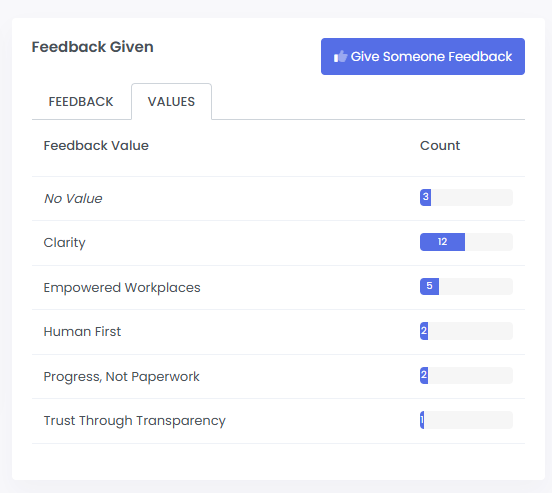
When systems support recognition, catching people doing things right becomes part of how work happens, not an extra task.
Conclusion
Most workplaces are extremely good at spotting what goes wrong. High performing environments are equally good at reinforcing what goes right.
Catching people doing things right is not about being nice. It is about designing a work environment that teaches, reinforces and normalises the behaviours you want to see more of.
When good behaviour is visible and valued, it becomes the default. And when that happens, culture improves not through slogans or policies, but through everyday action.